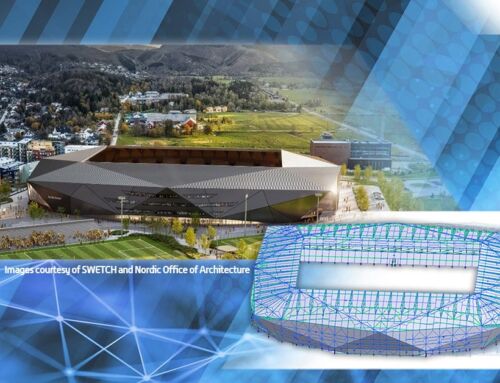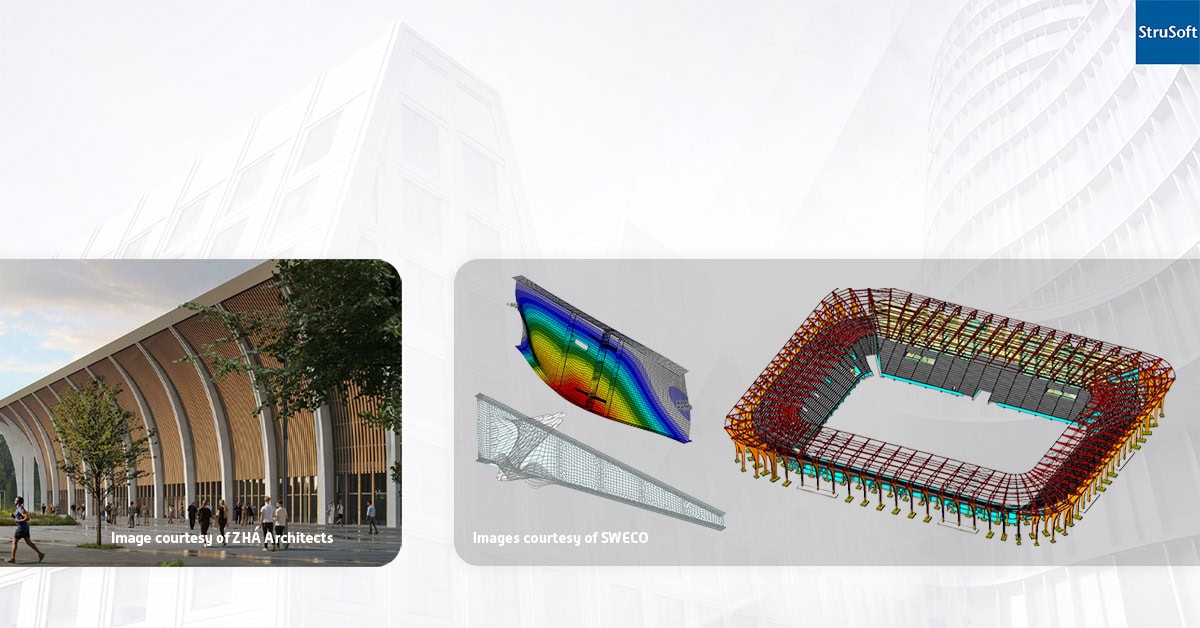
The New Aarhus Stadium, a 24,000-seat venue in Denmark’s second-largest city, represents a bold fusion of engineering precision and architectural expression. Inspired by the surrounding Marselisborg forest, the “Arena of the Forest” is defined by its distinctive white precast columns, resembling tree trunks that form a structural crown around the stadium. To support the project’s ambitious architectural vision and complex structural requirements, Sweco relied on FEM-Design to perform advanced structural analysis for steel girders and precast columns.

Figure 1. Rendering of the new Aarhus Stadium. Image courtesy of ZHA Architects.
Project overview:
The New Aarhus Stadium is a landmark sports facility designed to integrate seamlessly with its natural surroundings while delivering high performance and capacity.
Key project contributors:
- ZHA Architects – Lead architect
- Tredje Natur – Landscape architecture
- Sweco – Multidisciplinary engineering design (structure, wind, acoustics, climate, MEP, sustainability, architecture, fire and geotechnical engineering)
The structural design combines concrete and steel systems to support: a large cantilevered roof, tiered seating structures, and a complex façade system. At the heart of the design are architecturally expressive yet structurally critical precast columns and long-span steel roof girders.
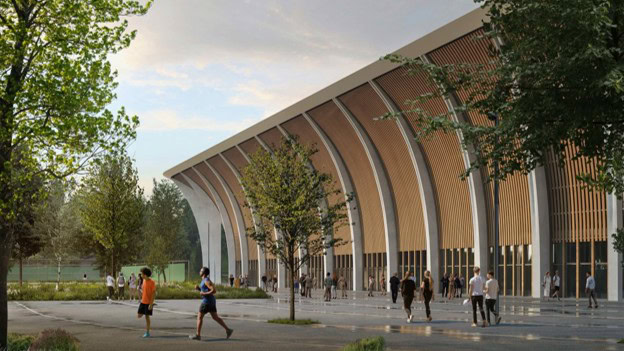
Figure 2. Rendering of the new Aarhus Stadium. Image courtesy of ZHA Architects.
FEM-Design for precast concrete column design:
Structural role and modelling approach
The stadium’s precast concrete columns are among its most defining elements. Beyond their aesthetic role, they:
- Support the cantilevered roof
- Carry significant seating loads
- Anchor the façade system
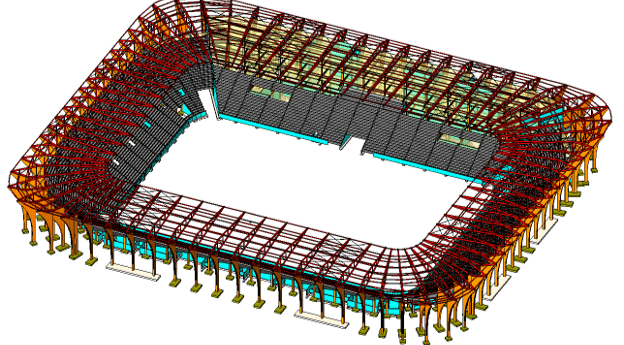
Figure 3. The structure of the new Aarhus Stadium. Image courtesy of Sweco.
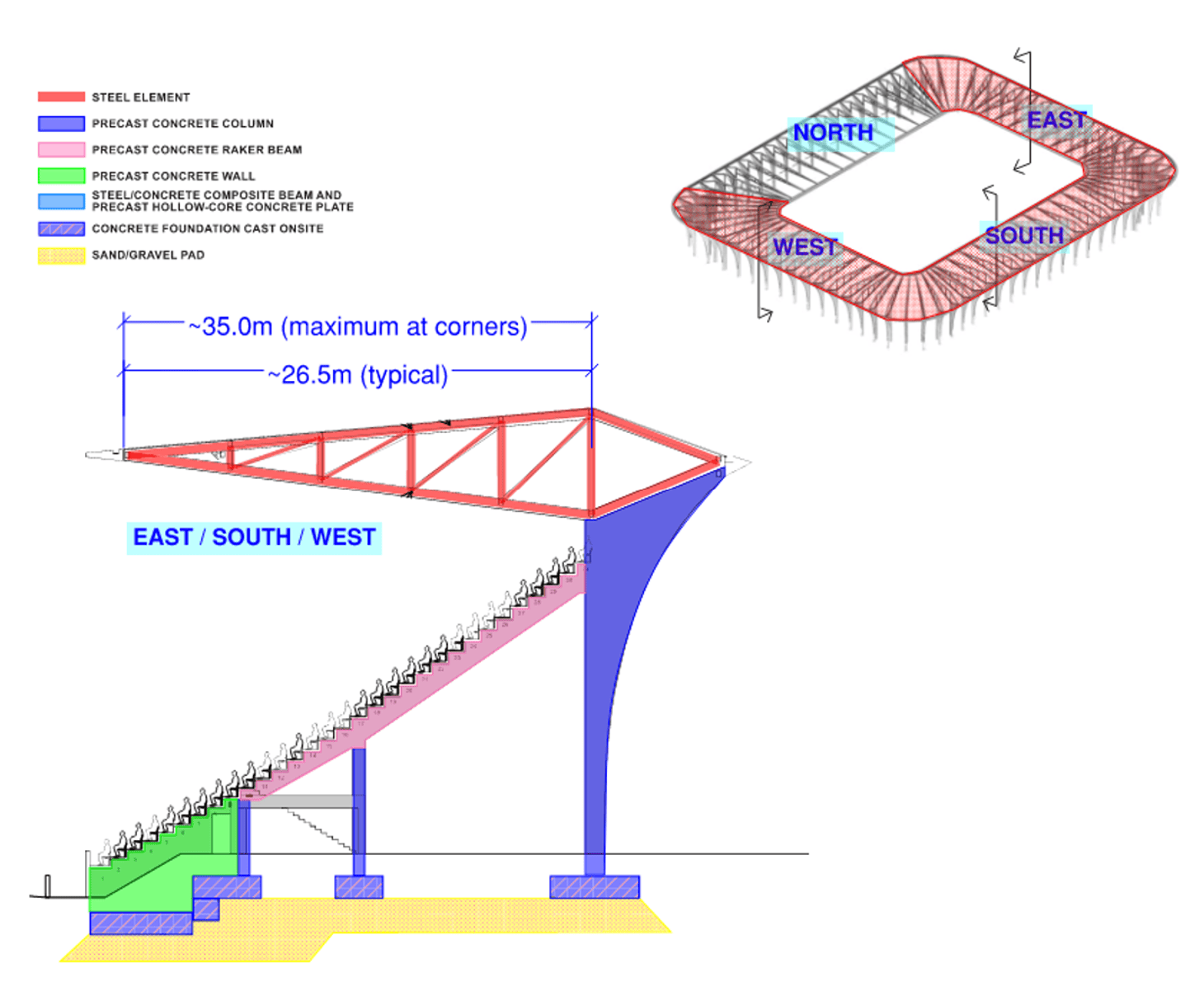
Figure 4. The structure of a section. Image courtesy of Sweco.
To capture their complex behaviour, Sweco developed a detailed finite element model in FEM-Design, carefully reflecting:
- Realistic geometry
- Connection stiffness and behaviour
- Load transfer between structural components
Nonlinear analysis and reinforcement optimisation
Using FEM-Design’s nonlinear analysis capabilities, the engineering team:
- Evaluated stress distributions across irregular column geometries
- Identified critical stress concentrations
- Analysed load paths under combined loading scenarios
A wide range of cross-sections was assessed to optimise reinforcement layouts. This allowed engineers to:
- Ensure code compliance
- Minimise material use
- Maintain architectural integrity
Stability and second-order effects
FEM-Design was also used to conduct stability analyses by:
- Determining critical buckling lengths
- Accounting for second-order (P–Δ) effects
- Verifying compliance with Eurocode requirements
This ensured safe and efficient column performance under complex loading conditions.
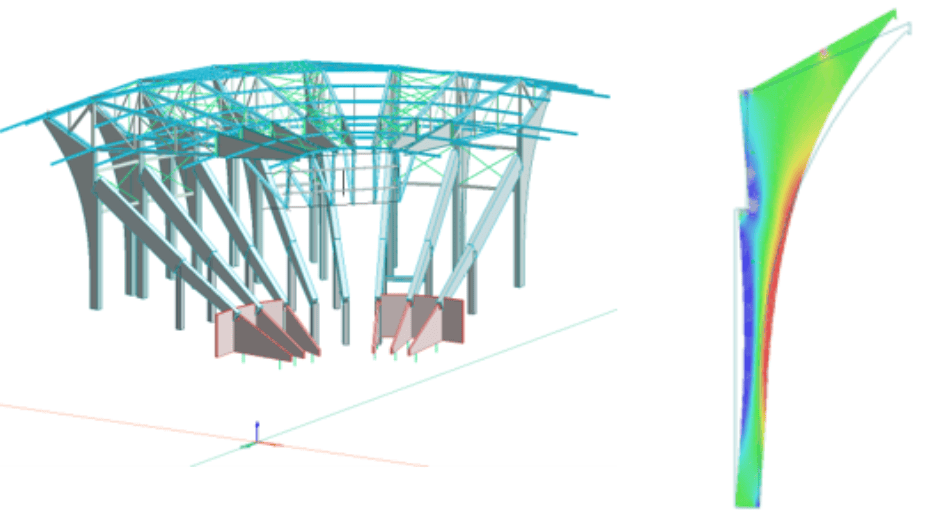
Figures 5. Stability analysis in FEM-Design. Image courtesy of Sweco.
FEM-Design was used for steel plate girder verification:
Advanced modelling in FEM-Design
By modelling the girders as bar-shell elements, FEM-Design enabled detailed representation of geometry and stiffness, accurate buckling analysis, and comprehensive stress evaluation.
In the initial roof concept, the main girders were designed as trusses. However, during the design process, several significant challenges emerged, including large deflections, an increase in the roof cantilever by 1.5 m, and the need to reduce the girder depth at the North Stand due to the installation above the VIP rooms.
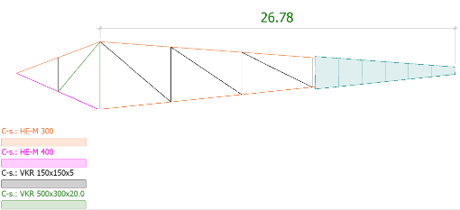
Figure 6. Girder design. Image courtesy of Sweco.
For the above-mentioned reasons, the following changes were made:
- On the East/South/West trusses, approximately 1/3 of the truss length was replaced with a plate girder with a variable cross-section.
- The design of the North stand has been changed entirely. Two Plate Girders with variable cross-sections have been introduced: one supporting and one cantilevering.
Engineering challenge: variable cross-sections
The steel roof structure introduced a key challenge: welded plate girders with variable cross-sections, which fall outside standard Eurocode verification approaches typically developed for uniform members.
Application of the General Method
To address this, Sweco applied the General Method, requiring precise evaluation of:
α_cr (critical load factor) from linear buckling analysis
α_ult (ultimate load factor) based on material yielding
Accurate determination of these parameters is essential for assessing structural stability.
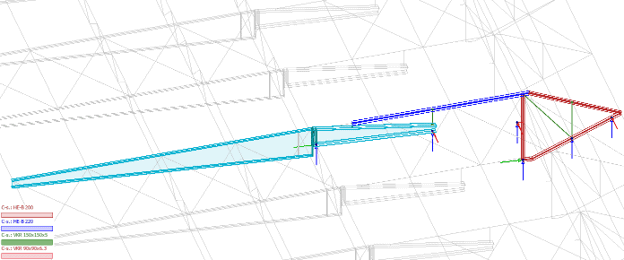
Figure 7. Girder design. Image courtesy of Sweco.
The software automatically identified critical sections using maximum von Mises stress, determined governing buckling modes, and highlighted the lowest α_cr values.
This automation significantly improved the efficiency of the design process, reliability of structural verification, and offered confidence in complex non-standard member design.
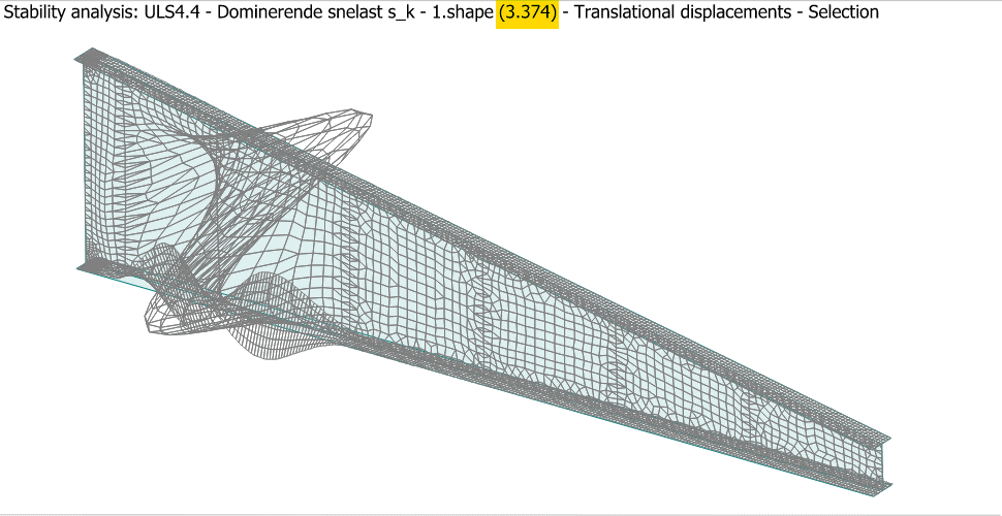
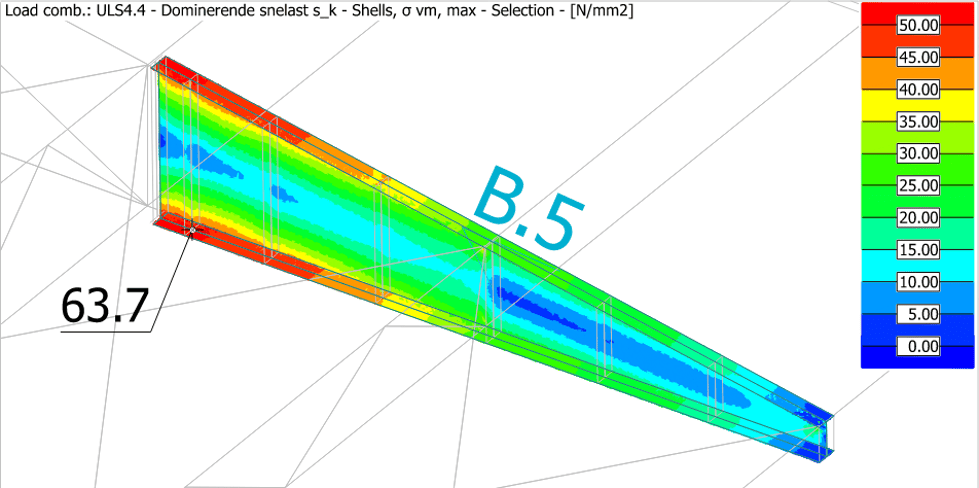
Figures 8 and 9. Buckling mode and von Mises stresses. Image courtesy of Sweco.
Engineering challenges:
- Complex geometry of precast columns required advanced nonlinear analysis to capture realistic stress behaviour
- Integration of architecture and structure demanded high accuracy in modelling connections and load paths
- Variable cross-section steel members required use of advanced stability verification methods
- Large data handling across multiple models necessitated robust workflows and data transfer capabilities
- Second-order effects and buckling needed precise evaluation for both concrete and steel systems
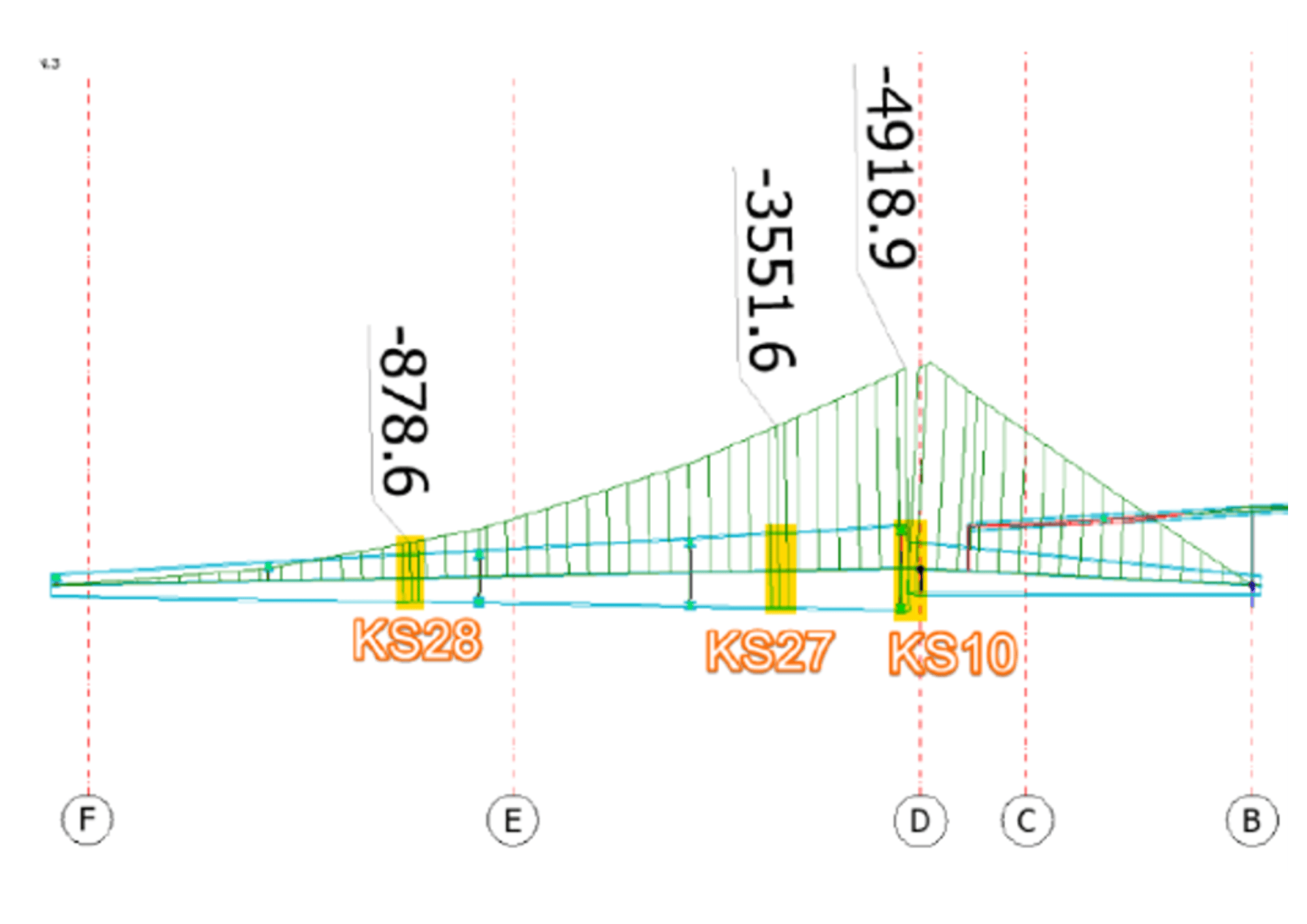
Figure 10. Maximum bending moment for plate girders. Image courtesy of Sweco.
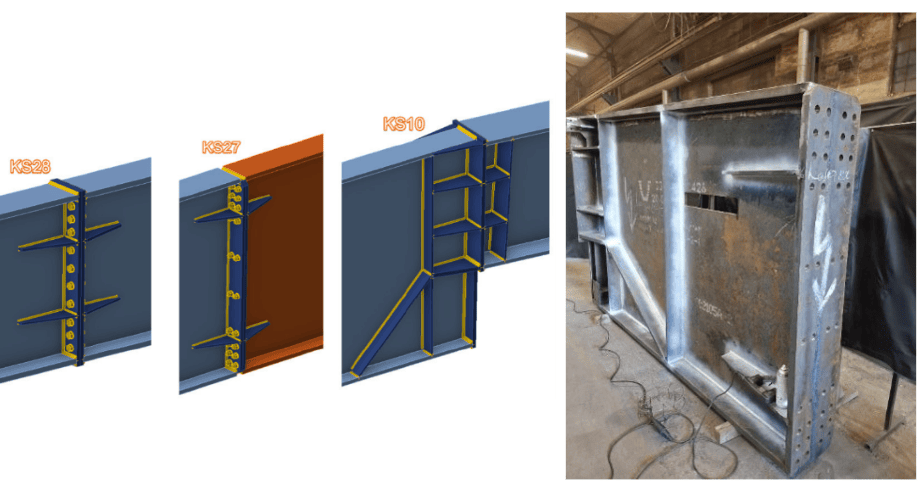
Figure 11. Sketches of plate girder connections. Image courtesy of Sweco.
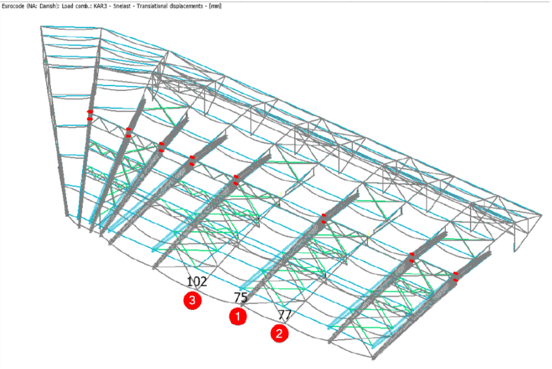
Figure 12. North stand – SLS (verification of deflections taking into account the stiffness of the connections). Image courtesy of Sweco.
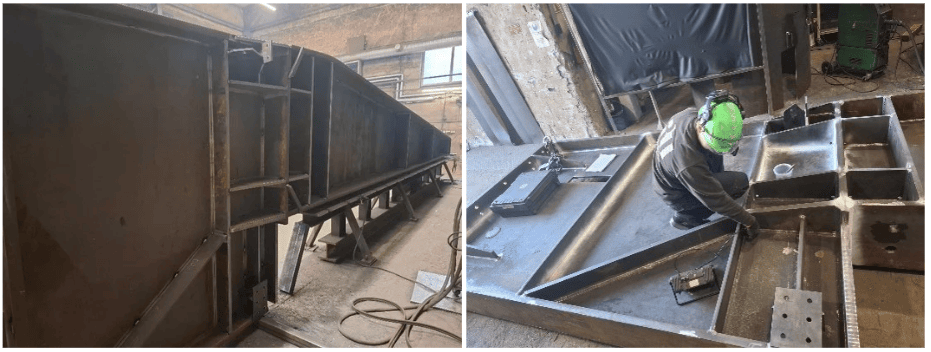
Figure 13. Making of the steel plate girders. Images courtesy of Sweco.
Why Sweco used FEM-Design for advanced structural analysis:
FEM-Design was central to the project due to its ability to handle both concrete and steel design within a unified environment. Key advantages included:
- Advanced nonlinear analysis for irregular geometries
- Integrated stability and buckling analysis tools
- Efficient evaluation of complex load paths
- Automated identification of critical design conditions
- Seamless handling of large and data-intensive models
- Built-in documentation generation
All reports (5 x 200 pages) were created 100% in the FEM Design documentation module and printed directly from the software.
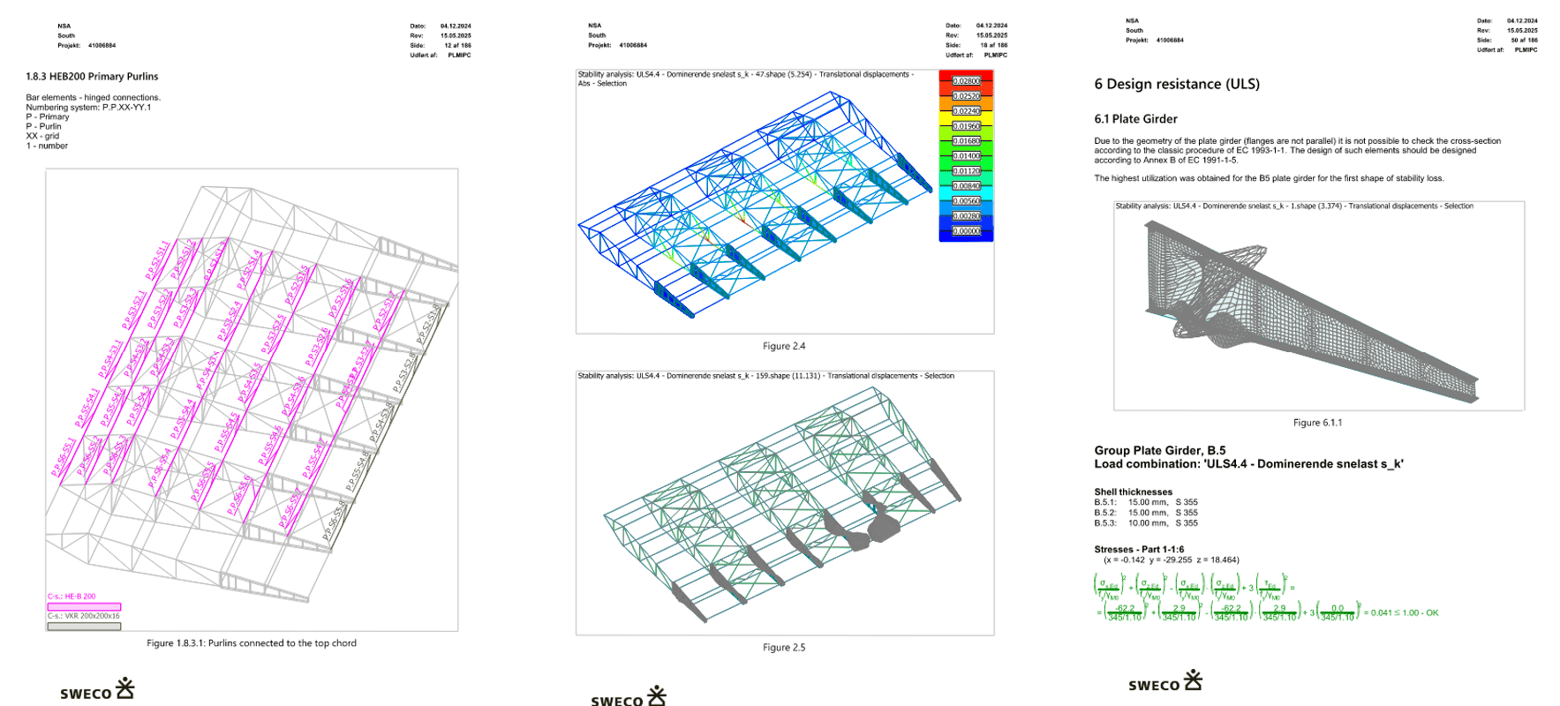
Figure 14. Documentation in FEM-Design. Image courtesy of Sweco.
FEM-Design’s impact on the workflow:
– Efficient design iteration: rapid analysis allowed engineers to test multiple design alternatives and refine solutions quickly.
– Accurate structural behaviour: detailed modelling of geometry, connections, and materials ensured realistic performance predictions.
– Streamlined verification process: automated identification of critical stresses and buckling modes reduced manual effort.
– Integrated documentation: all reports were generated directly within FEM-Design, ensuring consistency and easy updates.
– Enhanced multidisciplinary coordination: the platform supported integration across structural systems and engineering disciplines.
Client testimonials:
“Working with FEM-Design on the steel roof structure was a very user-friendly experience. In addition to its powerful steel design module—including verification in fire conditions—I particularly value the integrated documentation capabilities.
All reports (five parts of approximately 200 pages each) were prepared entirely within the FEM-Design documentation module and generated directly from the software. This proved especially beneficial when updating the documentation following design changes, ensuring both efficiency and consistency throughout the process.” — Michał Paulewicz, Structural Engineer / Team Manager at Sweco
“FEM-Design made it possible to determine the stress distribution in the rather odd shaped main columns and calculate a reinforcement layout that is code-compliant. It made it possible to handle a large amount of data, applying reactions and internal forces from one model into another.”— Martin Hilberg Rahbek, Structural Engineer at Sweco
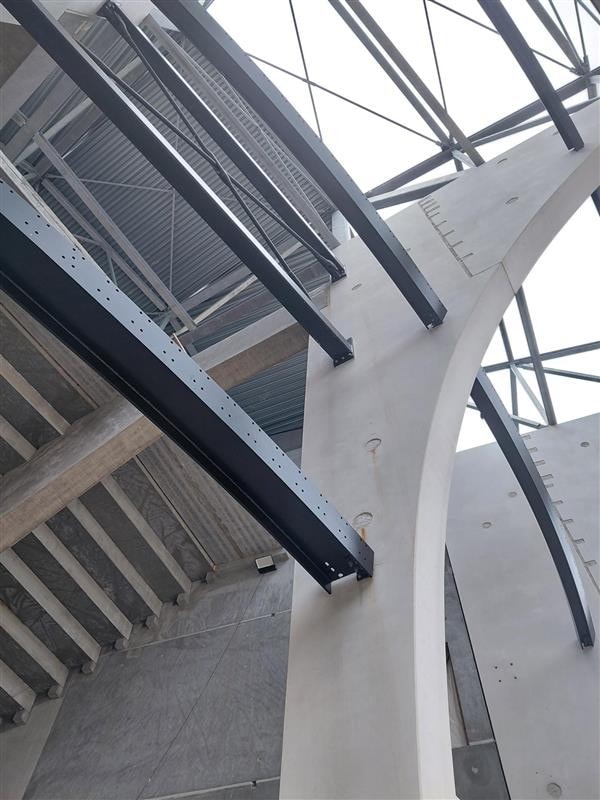
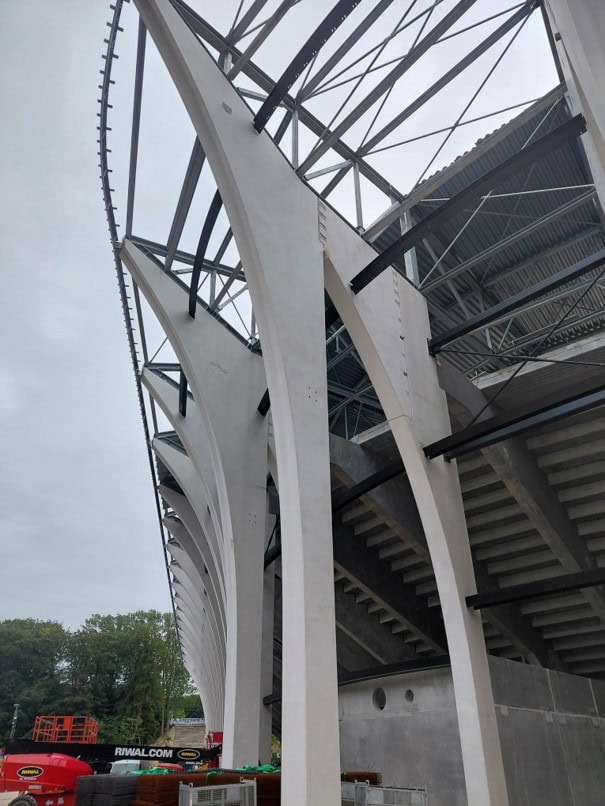
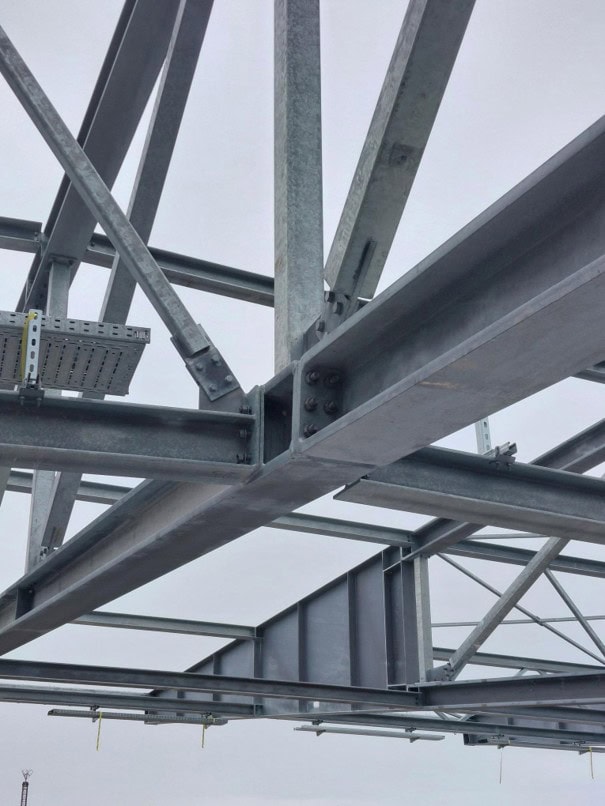
Images from the site (as of June 2026):
Client portrait:
Sweco is one of Europe’s leading engineering and architecture consultancies, delivering sustainable solutions for buildings and infrastructure. The company combines multidisciplinary expertise with advanced digital tools to manage complex projects efficiently and is recognised for integrating engineering excellence with innovative design.
Structural analysis for steel girders and precast columns with FEM-Design
FEM‑Design helped the engineers at Sweco to do an advanced structural analysis for the steel girders and precast columns with confidence. It handled complex shapes, load paths, and stability checks in one model. From nonlinear column behaviour to buckling and stress evaluation in variable steel girders, the software made it easier to get accurate results and optimise the design without overcomplicating the workflow.