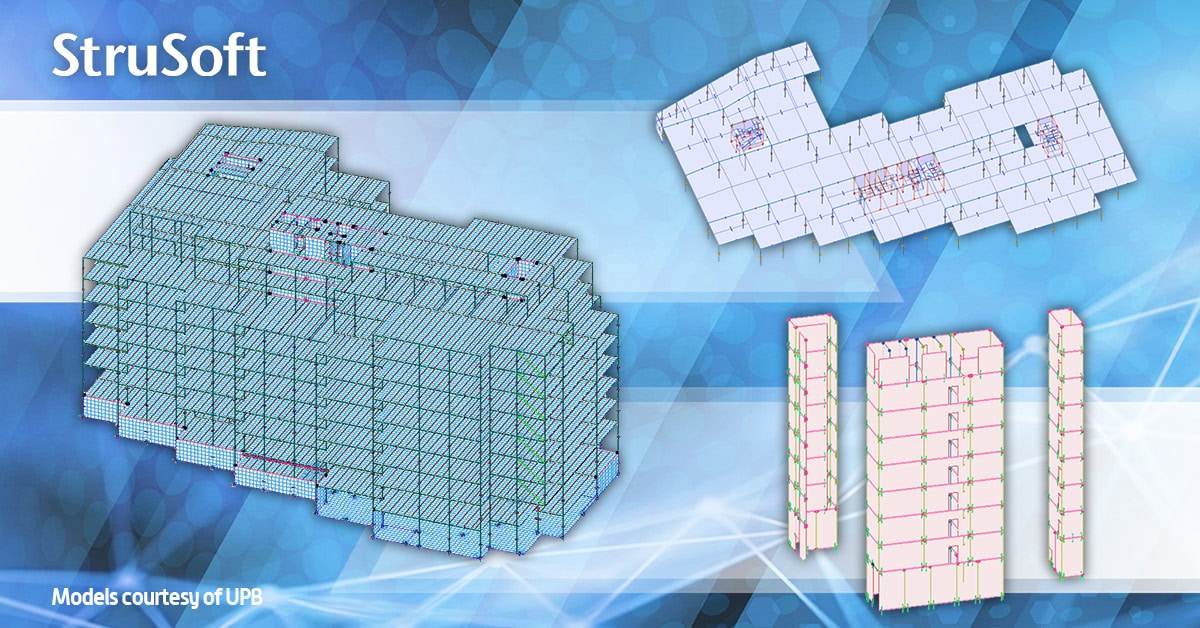
Frederik Selmers vei 2, a major office development in Oslo, Norway, required an advanced structural analysis to gain realistic diaphragm behaviour, detailed representation of non-linear connections, staged force transfer, and ensure the performance of prefabricated concrete elements under complex load transfer conditions.
The engineering team from UPB’s Riga office relied on FEM-Design. This way, the team produced a detailed global stability model that enabled precise evaluation of shear transfer in floor diaphragms, tension anchors, and wall-to-wall interaction. This ensured safe performance while accommodating architectural constraints, factory limitations, and facade requirements.
Project overview:
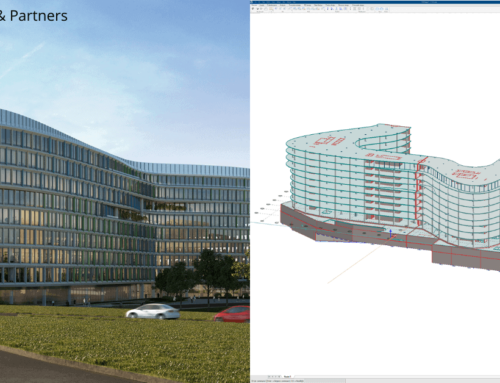
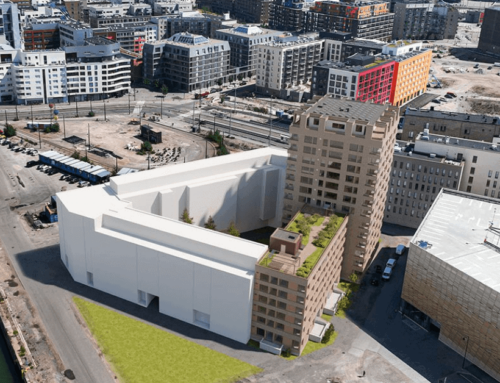
Frederik Selmers vei 2 is a nine-storey office building featuring a prefabricated concrete superstructure supported by a cast-in-place substructure.
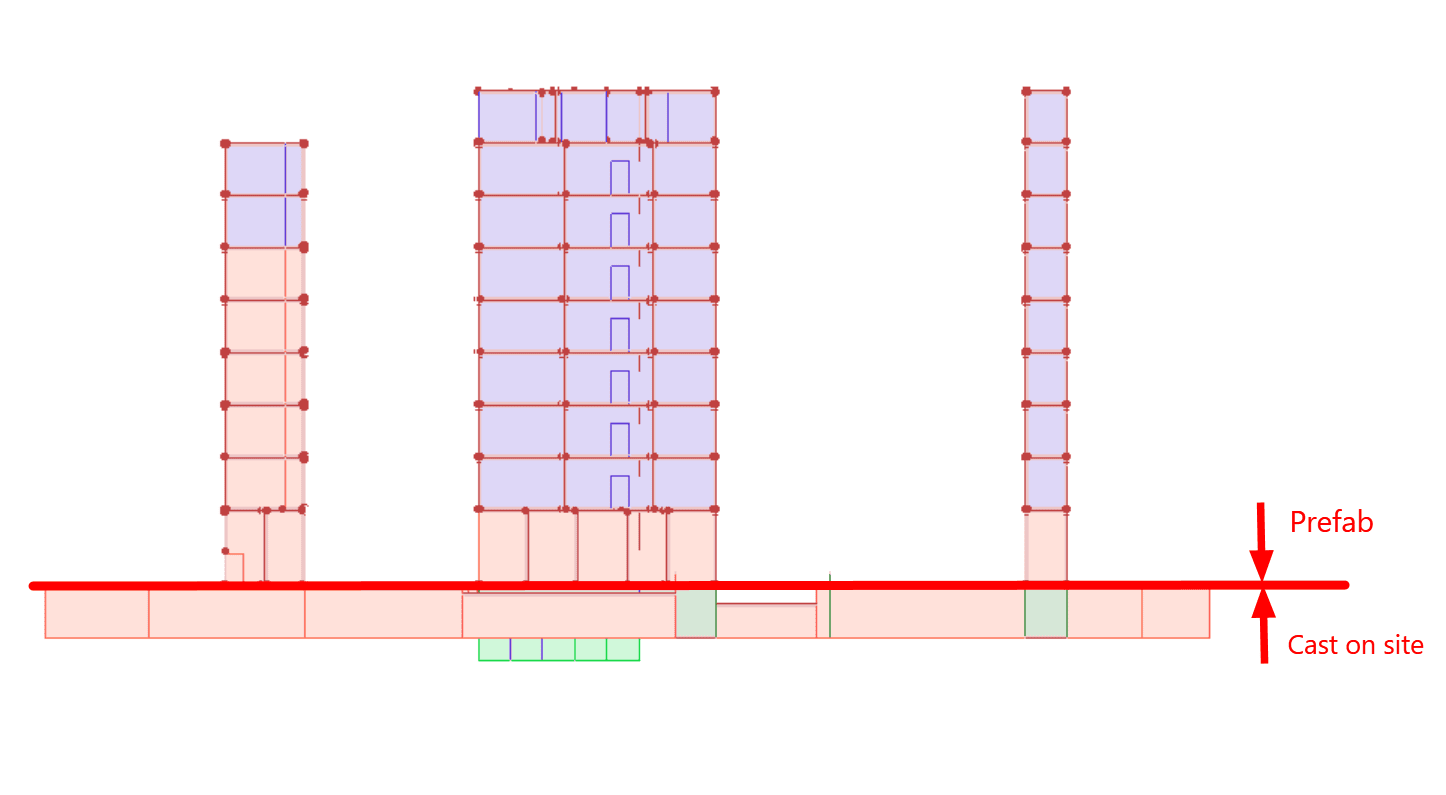
Figure 1: Prefabricated concrete superstructure and cast-in-place substructure. Image courtesy of UPB.
Lateral stability is achieved through concrete shear walls connected via tension anchors, dowels, and shear interlock details in both horizontal and vertical joints.
The building uses rigid floor diaphragms formed by hollow-core slabs and tying reinforcement. These diaphragms transfer horizontal loads to the core walls, with shear capacity assumptions of:
- 0.15 MPa in longitudinal joints between extruded hollow-core units
- 0.10 MPa in joints between other floor elements
Where these capacities were exceeded, additional shear transfer reinforcement was designed.
Columns are modelled as hinged at every floor level, and beams are predominantly multi-span. Walls are supported by linear supports, while point supports are assigned to columns and beams. Non-linear support conditions at the foundation ensure walls transfer only compression and shear, with tension carried exclusively by anchors.
Regarding the timeline of the structural analysis work, the team accomplished this during 29 April 2024 and 13 August 2024. The final technical projects, including workshop drawings, was finalised in March 2025.
The client is the company HENT AS.
Prefabricated concrete structures modelling in FEM-Design:
The structural frame consists of pinned columns and pinned beams, both multi-span and single-span.
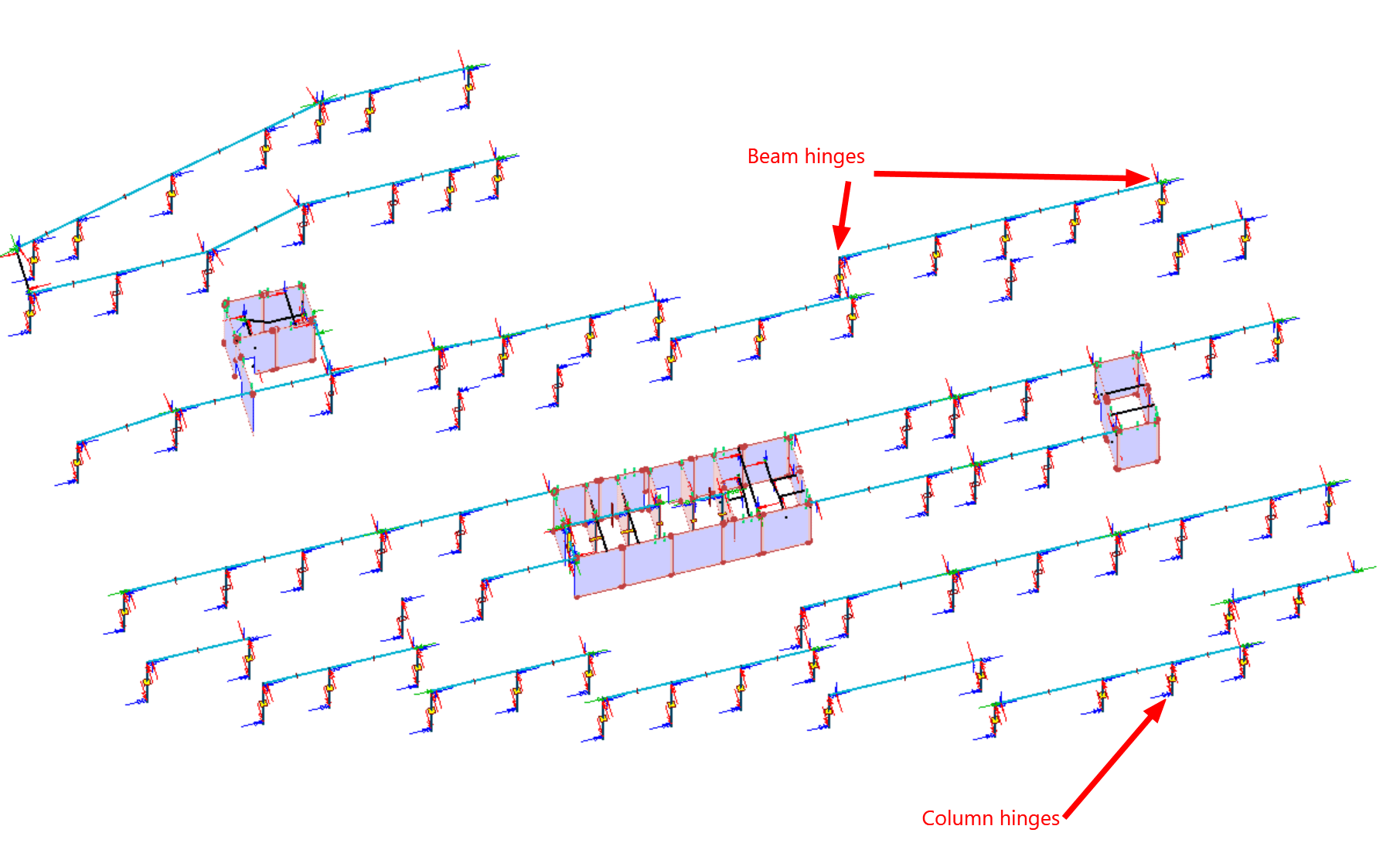
Figure 2: Column and diaphragm modelling
Hollow-core diaphragm stiffness
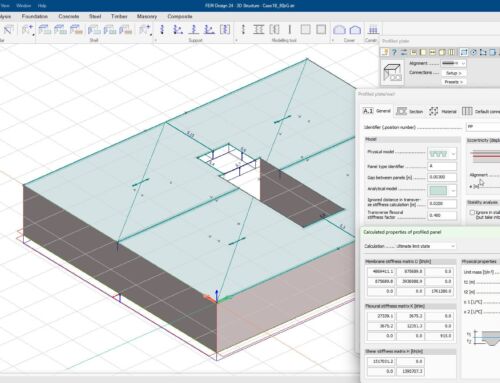
A customised stiffness matrix was used for the hollow-core slabs. Only in-plane (membrane) stiffness was included—no out-of-plane bending or shear stiffness.
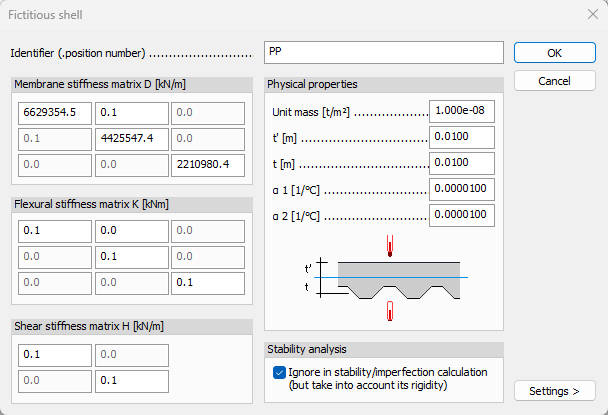
Figure 3: Customised stiffness matrix for hollow-core slabs. Image courtesy of UPB.
This approach ensures:
- Realistic bending and shear behaviour in supporting beams
- Accurate load distribution
- Consistency with hand-calculation expectations
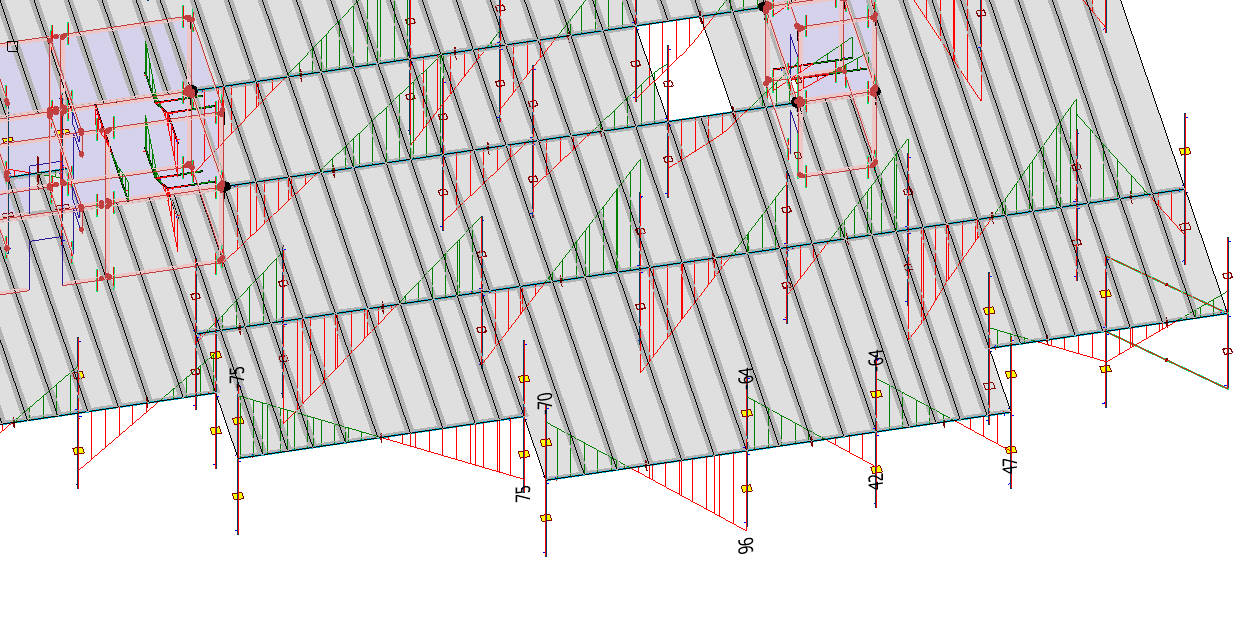
Figure 4: Beam element shear force diagram
Vertical loads are applied to cover elements, which transfer forces directly into beams and walls.
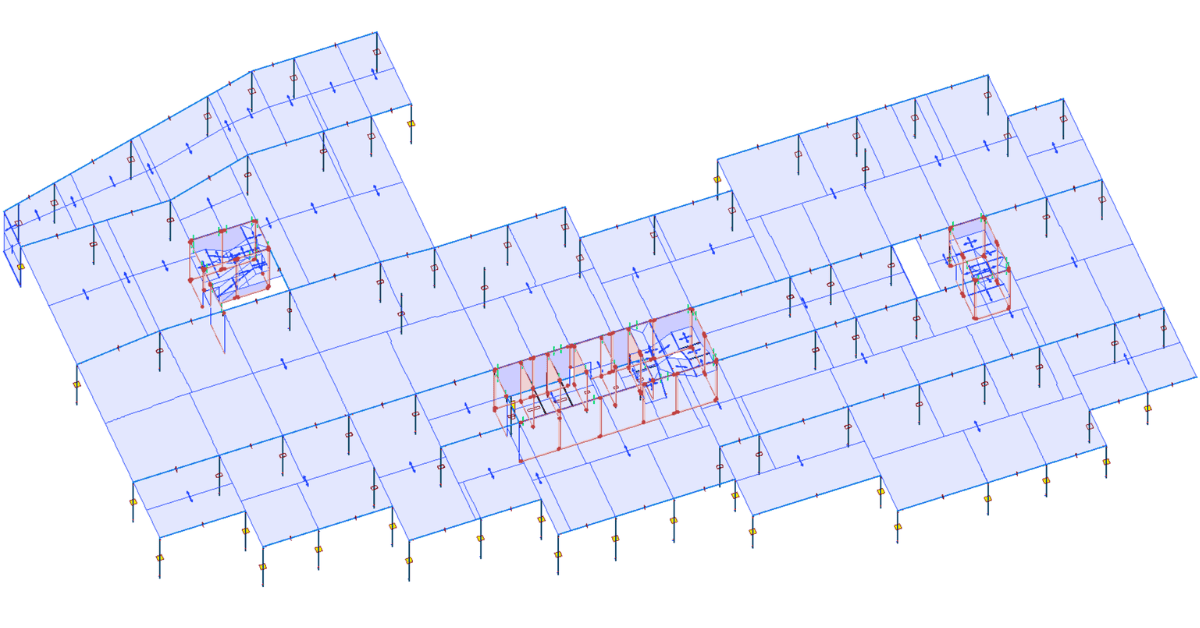
Figure 5: Vertical loads. Image courtesy of UPB.
Wall connections
Prefabricated concrete walls are connected through hinged connections. Horizontal connections are modelled so that they transfer compression and shear. Tensile forces are carried by truss elements (anchors), which are activated only when tension occurs.
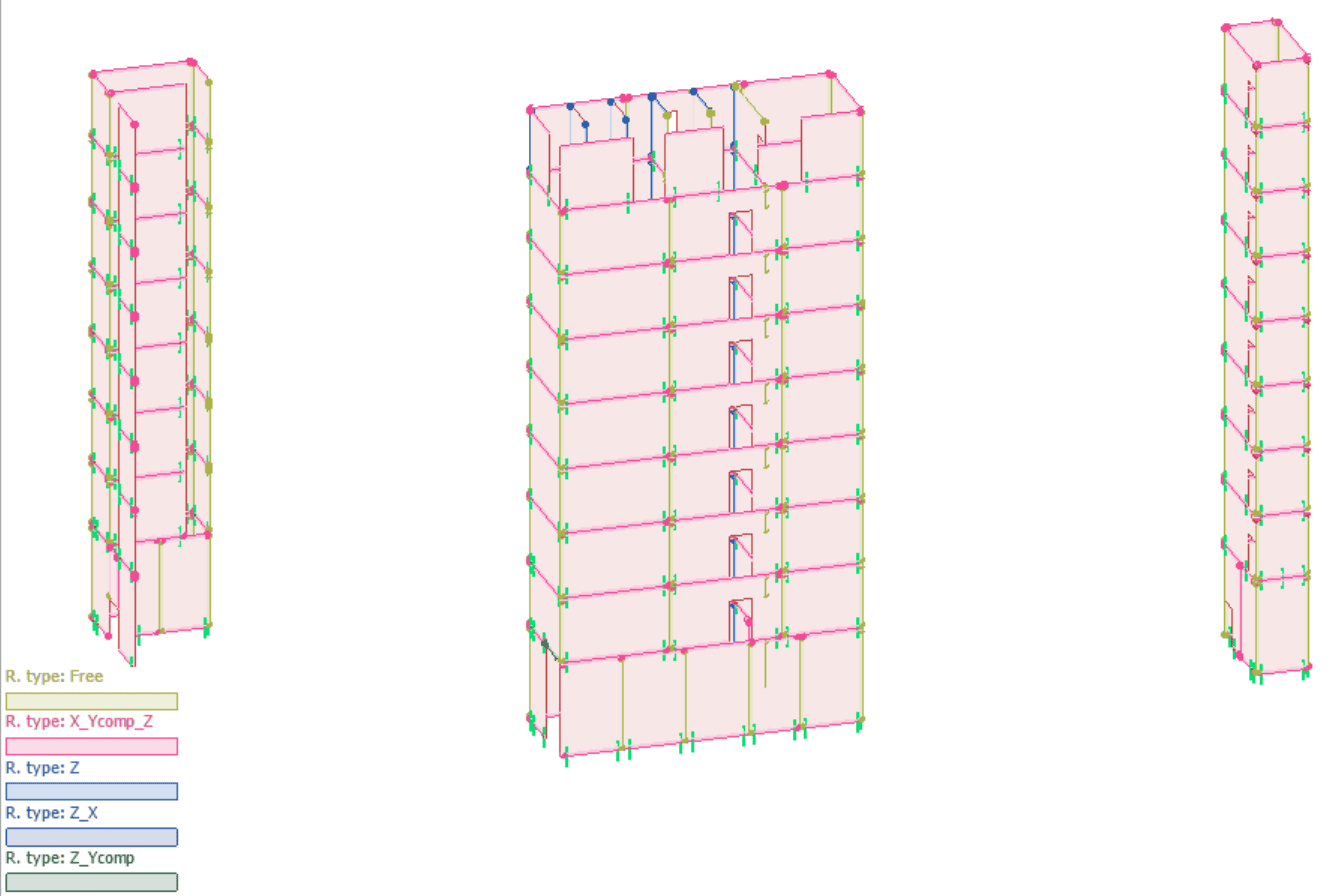
Figure 6: Horizontal connections. Image courtesy of UPB.
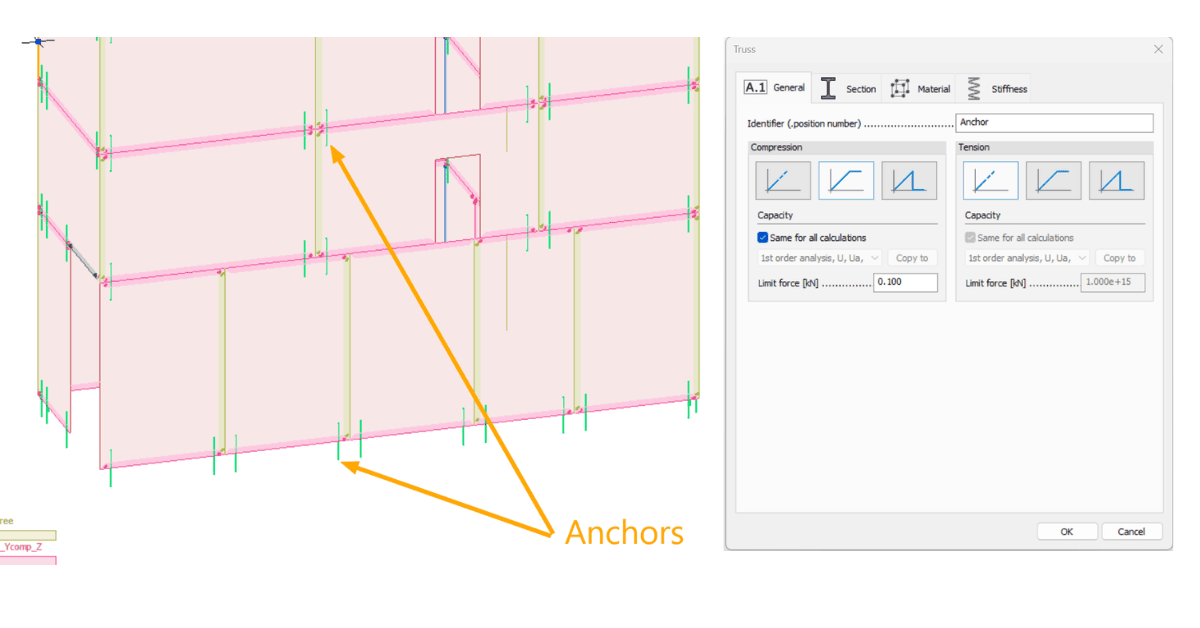
Figure 7: Tensile forces are carried by truss elements (anchors). Image courtesy of UPB.
Most vertical wall joints are modelled as free, with a few fixed planes as required by the global stability design.
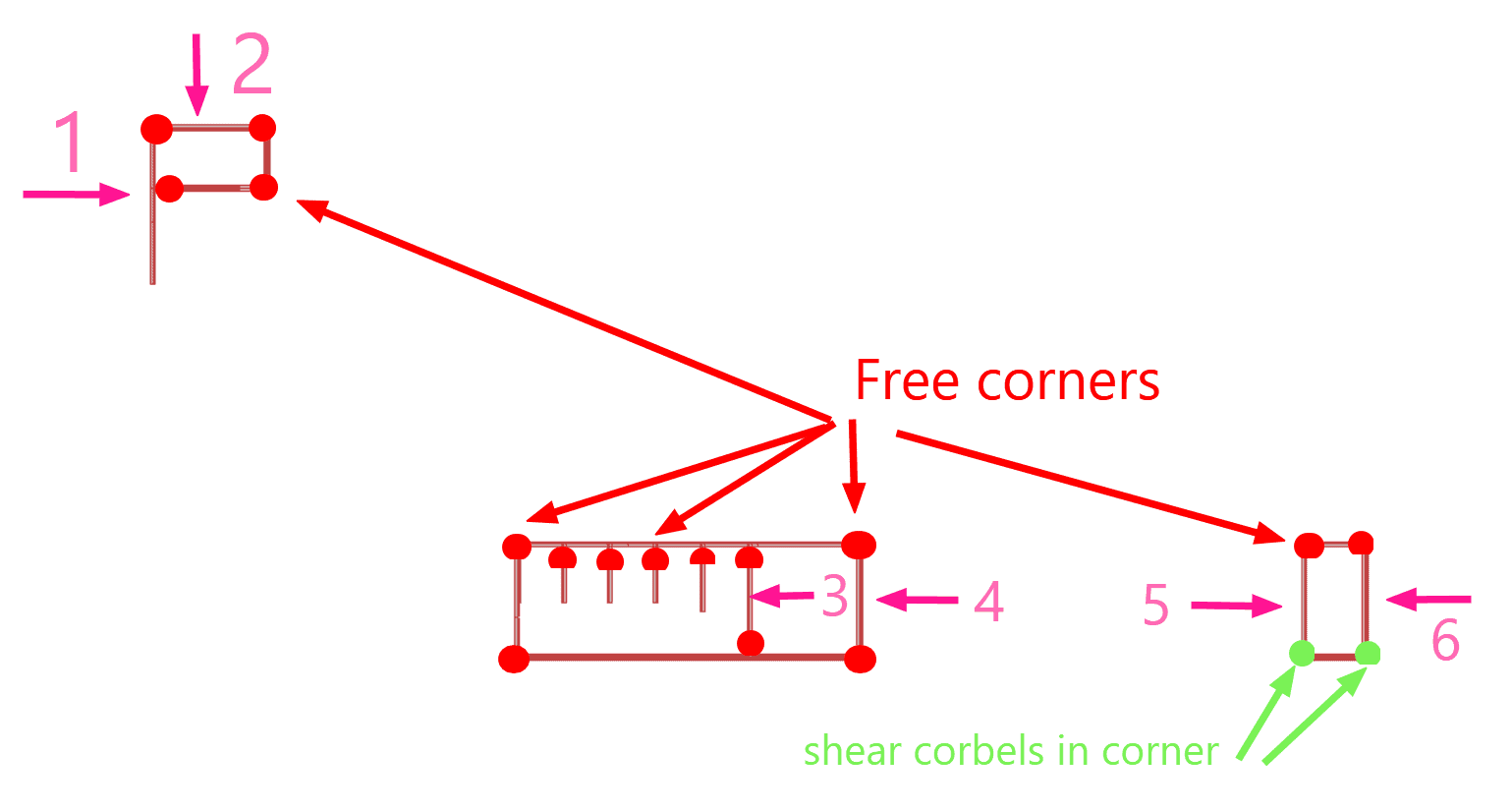
Figure 8: Vertical connections. Image courtesy of UPB.
Engineering challenges:
- Non-linear foundation interactions: Walls transfer compression and shear directly, while tension is carried only by anchors.
- Diaphragm shear transfer: Shear capacities in joint interfaces required close monitoring; additional reinforcement was designed where limits were exceeded.
- Tension anchor behaviour: Consultant-imposed stiffness restrictions at core corners led to increased displacements and significantly higher tension forces in anchors.
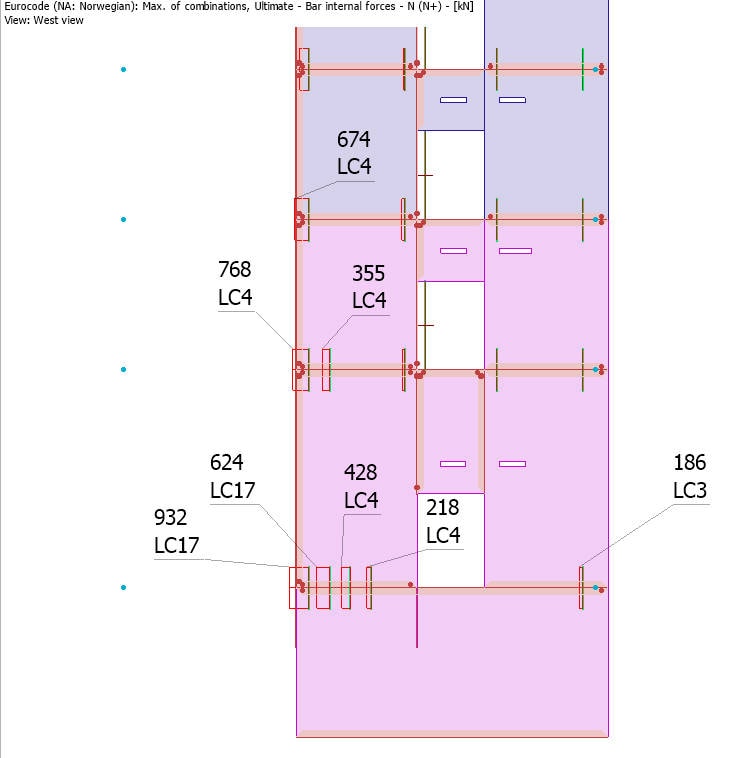
Figure 9: Tensile forces in the anchors. Image courtesy of UPB.
- Hollow-core span limitations: Office floors included spans up to 12 m, requiring careful verification of precamber and prestressing of strands.
- Façade displacement limits: Roof-level hollow-core slabs support a two-storey frame, requiring strict control of vertical deflection.
For validating factory limitations of prestressed hollow-core slabs and displacement requirements for façades, the engineering team used our PRE-Stress software.
Why the engineering team used FEM-Design:
FEM-Design is the primary finite element analysis tool used by the UPB engineers in the Riga office for all their projects. Its capabilities for modelling prefabricated concrete structures were essential, particularly:
- Detailed non-linear connection modelling
- Accurate membrane diaphragm behaviour for hollow-core slabs
- Realistic staged force transfer between prefabricated elements
- Clear visualisation of tensile forces in anchors
- Flexible mesh generation and stiffness input, including the 0.6 m FE mesh
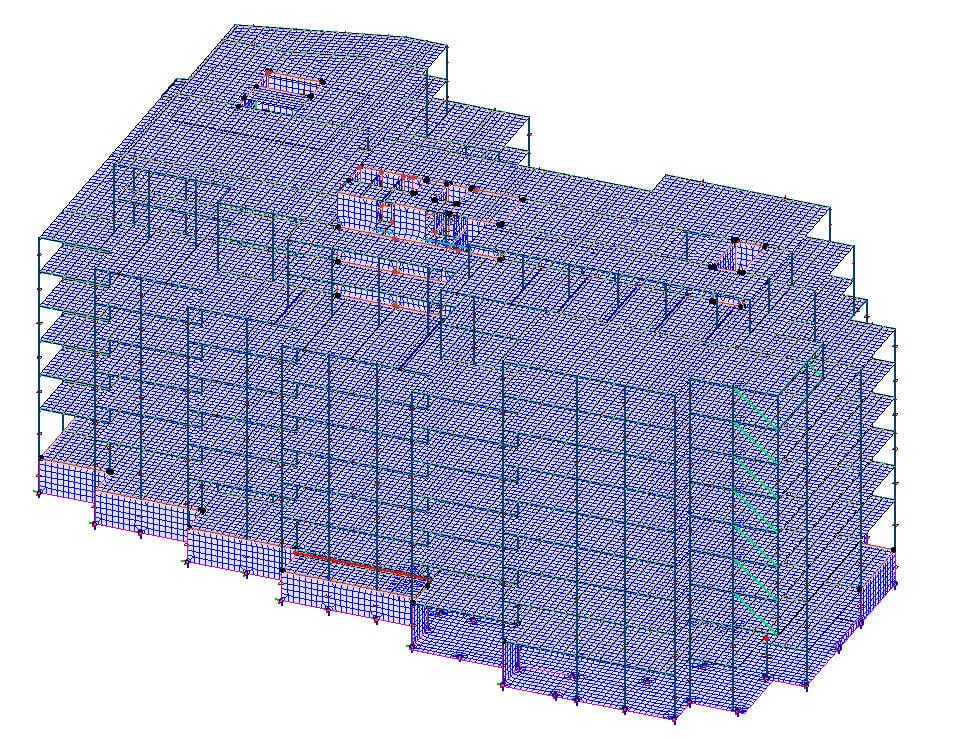
Figure 10: The finite element mesh size was set to 0.6 m. Image courtesy of UPB.
FEM-Design’s intuitive interface and flexible modelling environment allowed the team to build the global stability model within one month, including consultant-requested revisions.
“FEM-Design is a uniquely simple yet powerful FEA tool, delivering efficient everyday calculations with an intuitive workflow and outstanding result visualization,” says Andrejs Podkoritovs, Structural Engineer at UPB.
FEM-Design’s impact on the workflow:
– Accuracy and control
Modelling hinged joints, tension anchors, and diaphragm stiffness resulted in a highly realistic representation of the structure’s behaviour.
– Efficient iteration
The global model was completed and refined quickly, enabling coordination with consultants and sub-contractors.
– Transparent load paths
The ability to visualise compression, shear, and tension behaviour, including anchor activation, helped ensure design reliability.
– Smooth integration with precast workflow
Using PRE-Stress in combination with FEM-Design allowed validation of all factory production constraints.
Client portrait:
UPB is a leading Latvian industrial group with more than 30 years of experience across local and international markets. Bringing together over 20 companies, UPB delivers fully integrated solutions spanning engineering, construction, technical services, energy, machinery, and the production of steel, concrete, and glass structures.
Andrejs Podkoritovs is a structural engineer with over 10 years of experience, specialising in calculations for commercial, residential, public buildings, and infrastructure projects.
Count on FEM-Design for modelling prefabricated concrete structures:
This project shows how FEM-Design enables precise, realistic analysis of prefabricated concrete structures, from diaphragm behaviour and wall interaction to tension anchor activation and long-span hollow-core slab performance.