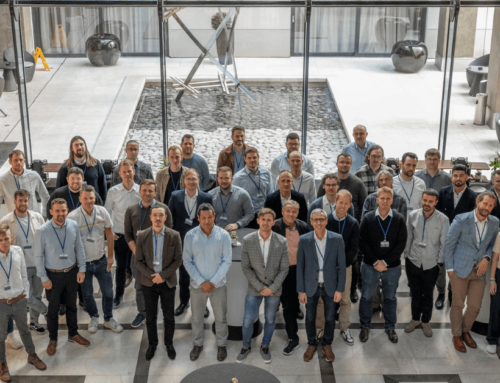
Bridge Builder’s Day 2026 (Brobyggardagen) once again brought together the bridge engineering community for a day of knowledge‑sharing, innovation, and practical insight. Known for attracting hundreds of participants, the event brings together a broad mix of professionals — from site managers and supervisors to designers, consultants, and procurement teams.
Held on 26 January 2026 at the Swedish Exhibition & Congress Centre in Gothenburg, this year’s edition provided an excellent opportunity for us to engage with engineers, discuss industry challenges, and present the latest developments within FEM‑Design 3D Bridge.
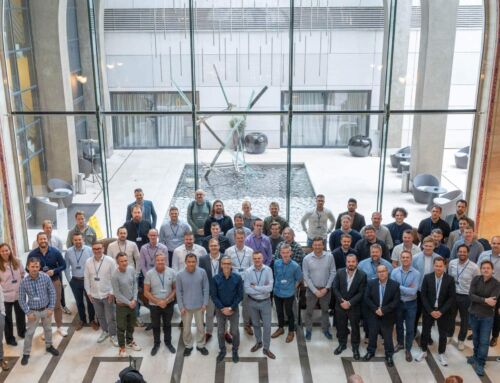
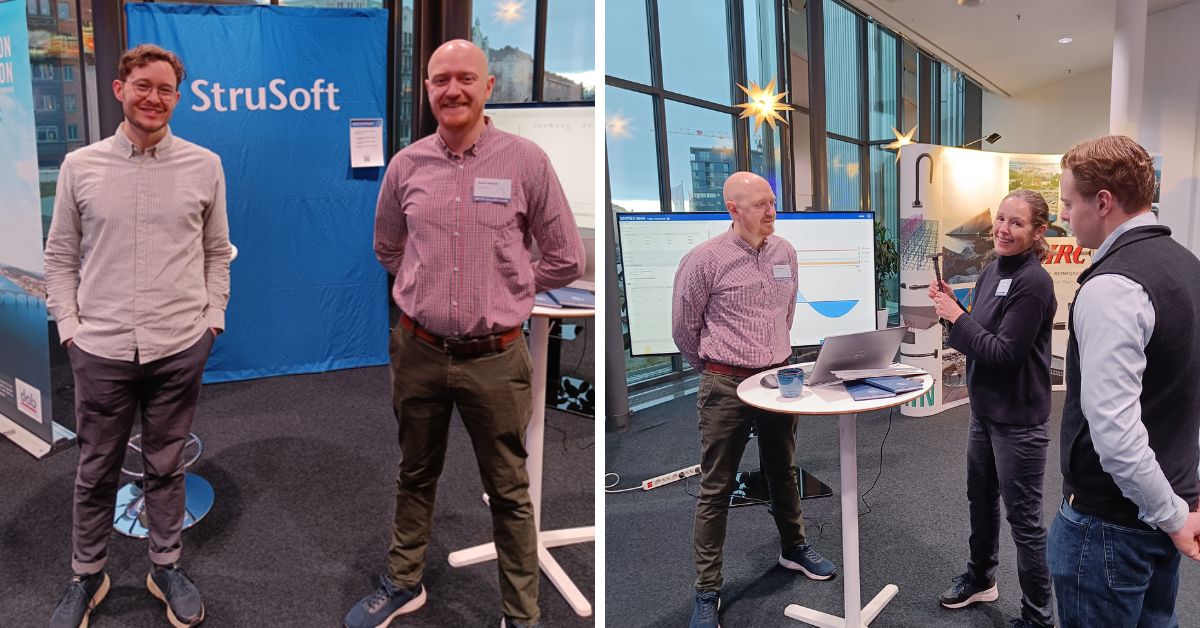
Representing StruSoft this year were Alfred Ro‑Smedberg and Victor Sandahl, who had the chance to meet with bridge engineers from across Sweden, gather valuable feedback, and showcase how 3D Bridge continues to evolve into a powerful everyday tool for bridge design.
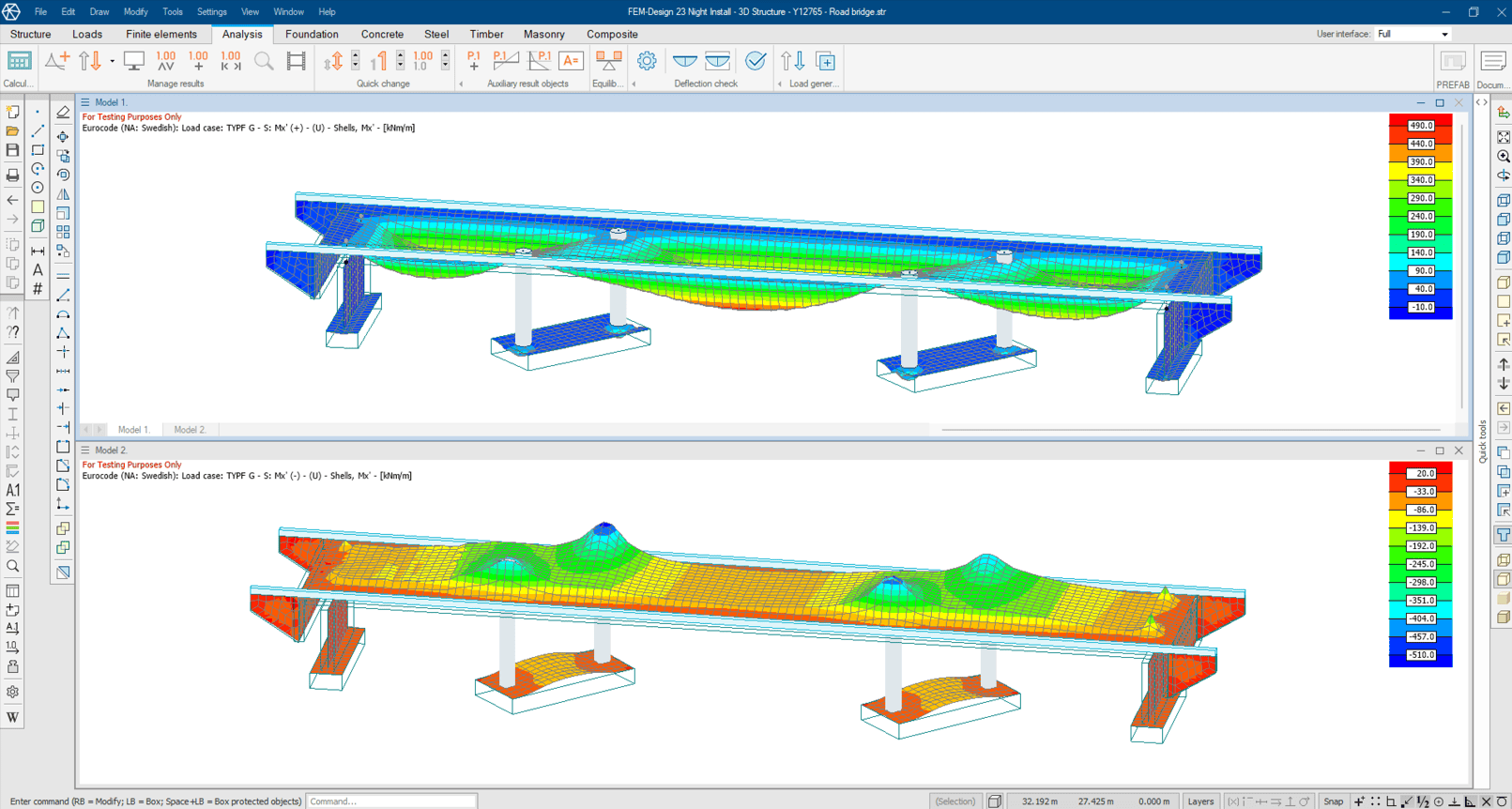
What Makes 3D Bridge Stand Out:
Seamless integration of traffic loads
Engineers can easily apply EN 1991‑2 traffic load models and National Annex configurations. This ensures compliance with standards and streamlines the setup of reliable analysis models.
Transparent and auditable documentation
Clear overviews of load positions, results, and step‑by‑step design checks make internal reviews and external audits smoother and more efficient.
Fast, object-based modelling
The module enables rapid creation of accurate models tailored for conventional bridge types. Combined with API support for Grasshopper and C#, engineers can automate repetitive tasks and handle complex geometries with confidence.
Highlights from Brobyggardagen 2026
Brobyggardagen 2026 offered a full day of insights into both Nordic and international bridge projects, with a strong focus on practical experience and emerging digital methods. Topics ranged from lessons learned from recent bridge incidents to the growing role of digital twins (DTs) in long‑term bridge management.
A lot of attention was also drawn to major infrastructure projects in Finland and the Baltics — including large cable‑stayed spans and new railway bridges — where digital tools and industrialised construction methods are becoming central to the planning and construction of complex bridges.
Swedish projects were also in the spotlight, with updates on new movable bridges and major urban infrastructure works. These themes sparked many discussions throughout the exhibition area, where Alfred Ro‑Smedberg and Victor Sandahl met engineers interested in efficient modelling workflows, parametric design, and how 3D Bridge fits into the evolving industry landscape.
I immediately felt it was user-friendly; you get fast changes and fast models on the fly. I’ve been a sole user in the beginning, but now it has been spreading through the engineers. It’s the appropriate software for various applications.
This software was an effective tool for designing a portal frame bridge, and I will definitely use it again in future projects. I’ll gladly recommend other engineers to do the same.
Watch Video Tutorials to Get Started with 3D Bridge
Looking Ahead
Brobyggardagen 2026 reinforced the importance of collaboration between developers and engineers. We remain committed to improving 3D Bridge—enhancing automation, expanding design checks, and supporting more advanced bridge configurations.
As the industry evolves, so will our tools. And we look forward to meeting even more bridge engineers at future events.
If you want to read more about 3D Bridge, please follow this link.